
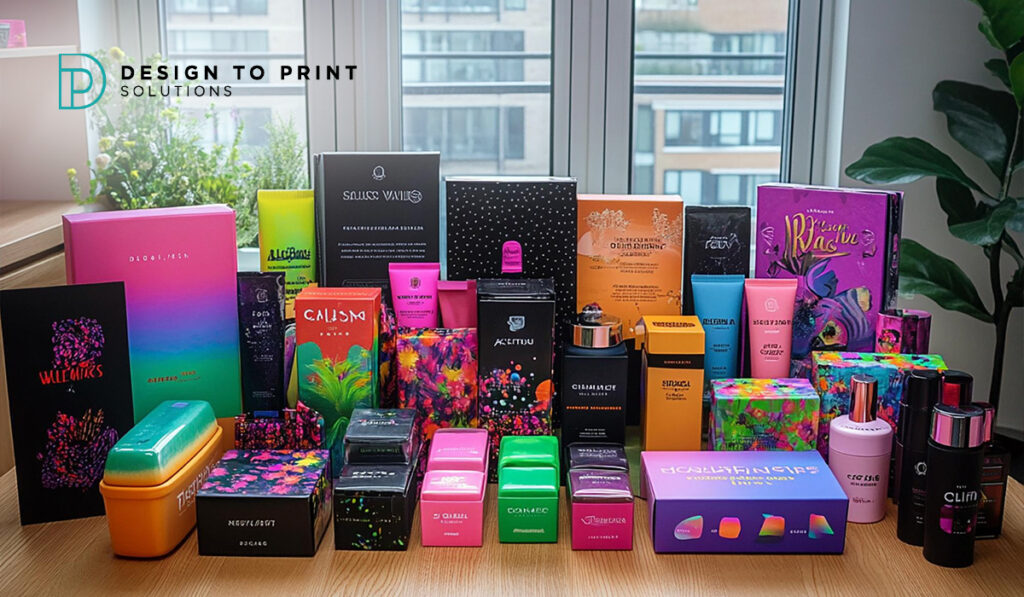
Packaging does more than hold a product together. It shapes the way people see your brand before they use what is inside. Whether your product sits on a retail shelf, lands on a customer’s desk, or arrives in an online order, the packaging speaks first.
That matters more than many businesses realise. A box, sleeve, label, or printed insert can signal quality, care, and consistency in a matter of seconds. When the print, material, and layout feel right, people are more likely to trust the product. When they feel rushed or mismatched, the opposite happens.
For Melbourne businesses, this is where smart print decisions make a real difference. Good packaging is not just about decoration. It is about making your product easier to notice, easier to understand, and easier to remember. With the right planning, custom packaging and boxes become one of the most useful brand tools you have.
Start with the Job Your Packaging Needs to Do
Before choosing colours, finishes, or box styles, ask a simpler question: what does this packaging need to achieve?
For some brands, the goal is shelf impact. For others, it is protection during delivery. In some cases, packaging needs to carry detailed product information without looking cluttered. A premium item may need a polished look, while a fast moving retail product may need clarity and speed over extras.
Once you know the purpose, the design choices become easier. A product aimed at corporate clients might suit a clean layout, restrained colours, and a sharp printed finish. A gift product may need richer texture, stronger contrast, or branded details that make opening it feel more considered.
The best packaging does not try to do everything at once. It focuses on the brand message, supports the product, and gives people a smoother experience from first glance to first use.
Make Your Branding Feel Consistent
One of the quickest ways to weaken packaging is to let it drift away from the rest of your branding. If your website, brochures, labels, and boxes all look like they belong to different businesses, people notice, even if they cannot explain why.
Consistency does not mean everything needs to look identical. It means the visual language feels connected. Your colours, type choices, logo placement, tone, and print style should work together across every touchpoint.
This is where packaging becomes more powerful. A box can echo the same visual cues as your stationery, catalogues, swing tags, or marketing inserts. That kind of consistency helps customers remember you. It also makes your business look more established. When brands plan their print this way, packaging stops being a last minute add-on and becomes part of the wider brand system.
Think Beyond the Outside of the Box
Real impact is often built through small details. Yes, the outer packaging matters. It is the first thing people see. But what happens after that also shapes the experience. Inner wraps, labels, thank you cards, product information slips, promotional inserts, and seals all add to the overall impression.
A plain shipping box with a well designed insert can still feel thoughtful. A retail product with a simple outer sleeve can feel more premium if the print quality is sharp and the internal presentation is tidy. Even something as small as a sticker or branded note can help the packaging feel complete.
This is especially important for online orders. In store, customers can touch the product before buying. Online, packaging carries more of that responsibility. It needs to create confidence, protect the item, and still reflect the brand once it arrives.
Choose Materials and Finishes with Purpose
A strong design can fall flat if the stock, finish, or print method does not suit the product. The surface of the packaging changes how colour appears, how text reads, and how the final piece feels in hand. Gloss can add punch and brightness. Matte can soften the look and feel more refined. Uncoated stocks create a more natural finish. Heavier materials suggest quality, while lighter stocks may suit short run promotions or budget conscious campaigns.
The key is not picking the fanciest option. It is choosing the one that supports the product and the audience. A sleek cosmetic box and a food takeaway sleeve should not be treated the same way. Nor should packaging for a boutique local label and a broad trade campaign.
Practical factors matter too. Will the item be posted? Will it be handled often? Does it need to resist scuffing? Does the design include fine text, barcodes, or ingredient panels? These details affect not just appearance, but performance.
Keep It Clear, Not Crowded
Many packaging designs lose impact because they try to say too much. If every panel is filled with claims, icons, colours, and copy, the product becomes harder to read. Good packaging creates hierarchy. It tells the eye where to look first, second, and third. Usually that starts with the product name or brand, followed by the most useful supporting information.
White space helps. So does disciplined copy. A short, clear message will often work harder than a block of text. The same goes for typography. Readability matters just as much as style, especially on smaller labels or folded packaging.
This is one reason professional design and print support matters. A layout may look fine on screen, then feel cramped once folded, trimmed, or printed on the final stock. Working with an experienced print partner helps you avoid those issues before production begins.
Use Packaging to Build Trust
People do not always remember every marketing message they see. They do remember when something feels well made. Packaging plays a big part in that. Crisp print, accurate colour, clean folds, and neat finishing all suggest care. That care reflects back on the product itself. If the packaging feels organised and considered, the brand feels more dependable.
This matters for both new and repeat customers. First time buyers are often judging quality before they even try the item. Existing customers are looking for consistency. If the second or third order feels different in a bad way, confidence can slip quickly. Packaging is often one of the few branded items a customer physically handles. That gives it weight. It is not just marketing. It is proof of how your business presents itself.
Plan Packaging as Part of Your Print Strategy
The strongest results usually come when packaging is planned alongside the rest of your print material, not after everything else is finished. If you are launching a product, updating your branding, or preparing a seasonal campaign, bring packaging into the conversation early. That gives you more control over artwork, stock choice, turnaround times, and consistency across related items. It also reduces the risk of rework later.
For Melbourne businesses wanting a dependable printing partner, early planning often saves both time and money. It leads to sharper decisions, cleaner production, and packaging that feels like it belongs to the brand from day one. This is exactly the kind of joined up print work DTPS helps businesses get right.
Final Thought
Packaging has real impact when it does more than look good. It should support the product, reflect the brand, and make the customer experience feel more complete. That might mean stronger shelf presence, a cleaner unboxing moment, or simply a more polished first impression.
When design, material, and print quality work together, packaging stops being an afterthought. It becomes one of the hardest working parts of your brand. If your packaging needs to do more than just wrap the product, it is worth getting the details right. Request a free quote from DTPS and we will help you print packaging that works as hard as your product does.
Frequently Asked Questions
What makes packaging effective for a brand?
Effective packaging is clear, consistent with your branding, and matched to the product and audience. It creates a strong first impression, protects the item, and makes the experience feel considered from first glance to first use.
How do I choose the right packaging material and finish?
Match the stock and finish to the product and how it will be used. Gloss adds brightness, matte feels more refined, and uncoated stocks look natural. Consider practical needs too, such as posting, handling, scuffing, and whether the design includes fine text or barcodes.
Does packaging really affect customer trust?
Yes. Crisp print, accurate colour, and neat finishing all signal care, and that care reflects back on the product. Because packaging is one of the few items a customer physically handles, it carries real weight in how dependable your brand feels.
Should my packaging match the rest of my branding?
It should feel connected, not identical. Aligning colours, typography, logo placement, and print style across your website, stationery, and packaging helps customers remember you and makes your business look more established.
What packaging can DTPS print for Melbourne businesses?
DTPS prints custom boxes and packaging along with labels, swing tags, stickers, inserts, and matching stationery, so your whole print system stays consistent. Planning these together early gives you better control over artwork, stock, and turnaround.
